Key takeaways
- There are two broad ways to own farmland near Bangalore: run it yourself, or have it managed.
- Farming it yourself means keeping all the produce and carrying all the work.
- Managed farmland trades a share of produce for a professional team and shared infrastructure.
- Your available time and appetite for farming decisions usually decide it.
If you live in Bangalore and want to own farmland, you have two broad choices. You can buy agricultural land and run it yourself, or buy into a managed farmland project, where the land is registered in your name and a professional team farms it for you under a written agreement. Both are legitimate. They suit different people, and the wrong choice is usually the one made without thinking about time.
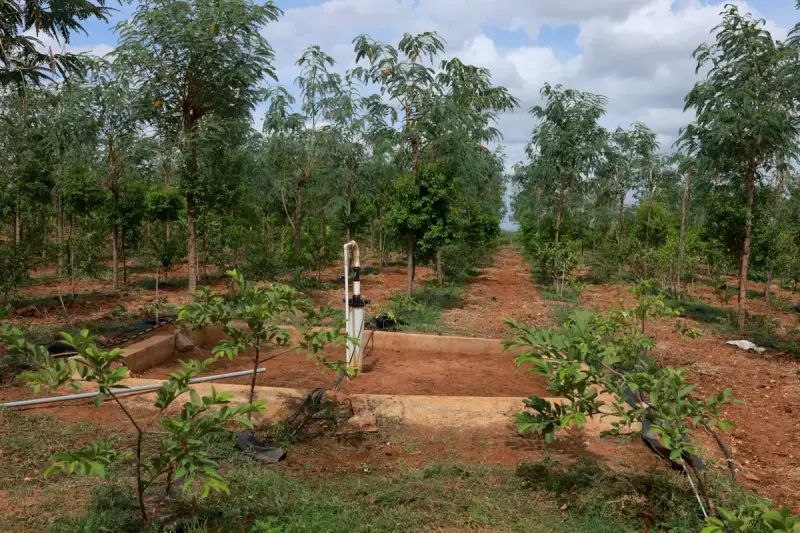
Buying agricultural land and farming it yourself
You choose the land, negotiate with the seller, check the documents, register the sale and then decide what to grow. You hire labour, arrange water, power and fencing, buy inputs, deal with pests and disease, and sell the produce. You keep everything the farm earns, and you carry everything it costs.
It works well for people who live close by, have farming experience or real time to learn, and can visit every week. It works badly when the land is three hours away and the owner can visit twice a year.
Be careful
The commonest outcome for city owners is not a failed crop. It is no crop at all: land that stays bare, invites encroachment and quietly loses its boundaries.
You live your life. The farm team farms.
- 1YouThe land is registered in your name. Visit whenever you like.
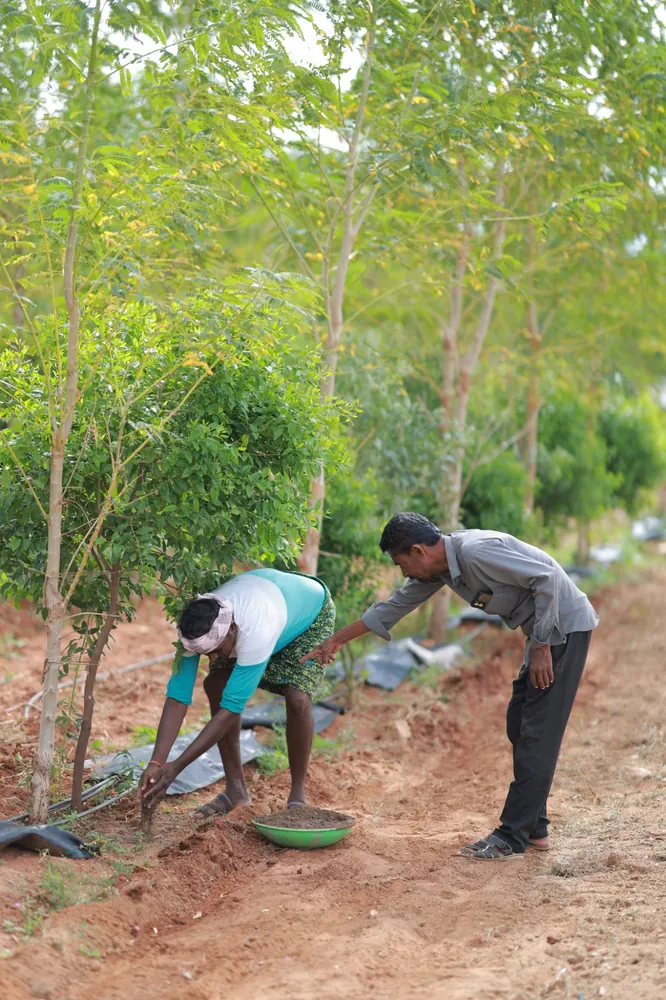
- 2The farm teamPlanting, water, fencing and daily care on your plot.
- 3UpdatesPhotos and progress reach you, so you are never guessing.
Buying managed farmland
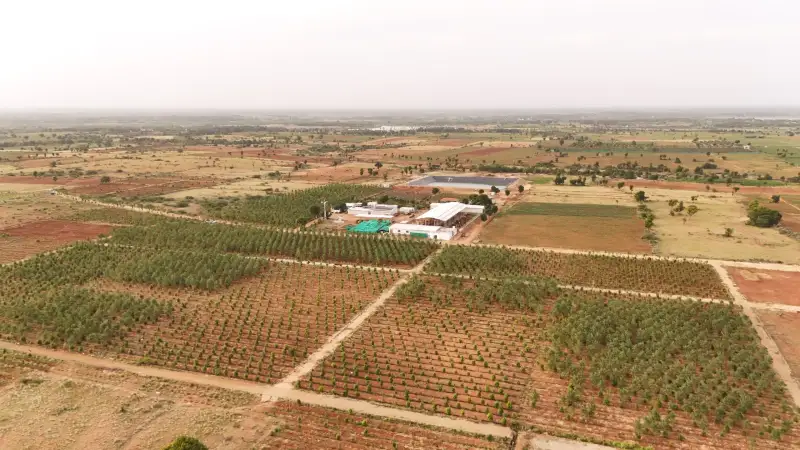
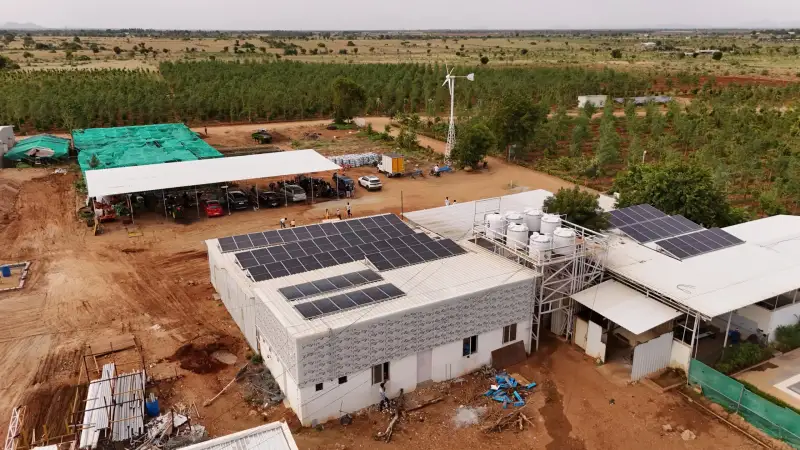
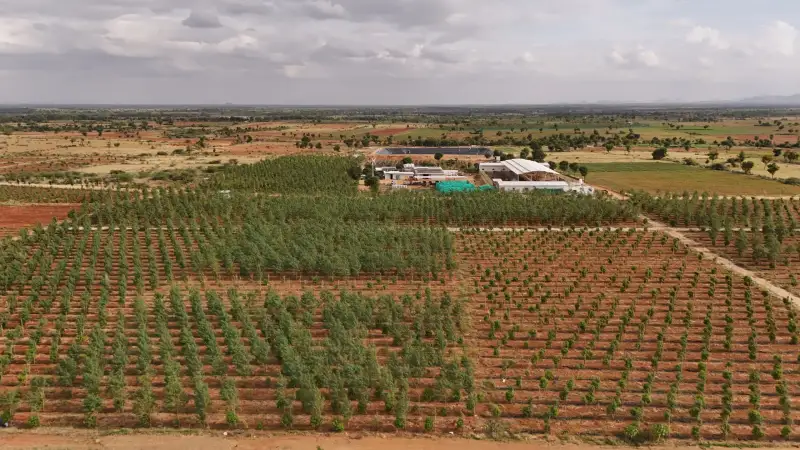
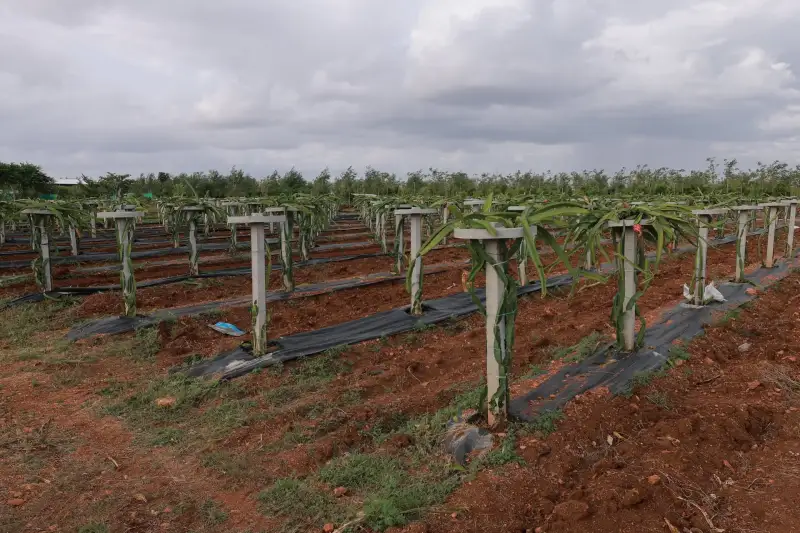
A managed farmland company develops a larger parcel, sub-divides it into plots, and registers each plot in a buyer’s name. Its farm team plants and runs the whole farm, so every owner benefits from shared infrastructure: fencing, security, drip irrigation, water storage and staff on site.
It suits families in the city or abroad who want a working farm without running it day to day. In return, the operator keeps a share of the produce, as set out in the agreement. The quality of the operator becomes one of your biggest risks, so judge them as carefully as the land.

Side by side
Compare the two routes
Managed: a professional farm team.
Yourself: you, or labour you hire and supervise.
Managed: visits when you choose.
Yourself: regular, often weekly, plus phone calls in between.
Managed: in your name, if the project is set up properly. Check this.
Yourself: in your name.
Managed: shared as set out in the agreement.
Yourself: all yours, after all costs.
Managed: crop, weather, prices and operator performance.
Yourself: crop, weather, prices, labour, and your own time.
| Managed farmland | Buying and farming yourself | |
|---|---|---|
| Infrastructure | Shared fence, water and security | You pay for all of it on one plot |
| Decisions | Agronomists decide, you are informed | You decide everything |
| Reporting | Updates with photos | What you see on visits |
| Exit | Sell the land; read agreement exit terms | Sell the land |
How the two routes compare
A rough, qualitative comparison to help you think it through. Not a measurement.
What it really costs you in time
Price is easy to compare. Time is not. A self-run farm needs someone to hire and pay workers, check irrigation, decide on sprays, deal with power cuts, and be there at harvest. If that someone is you, count the weekends. If it is a caretaker, ask how you will know what they are doing.
The best farm is the one somebody is actually looking after.
Three families, three answers
These are typical situations we hear about, described in general terms.
A couple in Whitefield, both working full time
A retired engineer near Devanahalli
A family in Dubai
None of these is a rule. The point is that the right route follows from your time, your interest in farming decisions and your legal position, more than from the land itself.
What a managed farm team handles
Which one suits you?
Answer three quick questions to see which route usually fits.
Find your fit
Five questions that decide it
Answer these honestly
0 / 5All checked. Take this list to your lawyer and your site visit.
Was this guide useful?
Thank you. Tell us what to cover next on WhatsApp.Reading is one thing. Walking the farm is another.
Come for a site visit, stand on the plots and ask our team whatever is on your mind.