How to compare managed farmland companies: an 8-point checklist
Compare managed farmland companies on eight things: whose name the title is registered in, whether any part of the sale uses a power of attorney, what the written management agreement covers, every cost over the full term, how produce is sold and shared, how you can exit, whether you can visit freely, and how often you hear from the farm.
Key takeaways
- Title registered in your own name through a sale deed matters more than any brochure.
- A power of attorney lets someone act for an owner; it does not make you the owner.
- Ask for every cost, the sharing terms and the exit terms in writing before you pay.
- Visit the farm and ask to see a sample owner update.
Most managed farmland offers look alike in a brochure: green rows, a clubhouse, a projected income. The differences that matter sit in the documents and the written terms, and they are easy to check if you know what to ask.
This checklist works for any company, including us. Take it to every site visit and ask each company the same eight questions.
Is the title registered in your name?
The strongest position for a buyer is a sale deed, registered at the Sub-Registrar Office, with the buyer named as owner. Before paying any booking amount, ask for a draft of that deed and copies of the parent title documents. Our guide to documents to check before buying farmland lists what to ask for.
What each company should be able to show you
- A draft sale deed naming you as buyer
- Parent title documents for the plot
- An encumbrance certificate
- A survey sketch that matches the plot you walk
- The management agreement and its term
- A full cost sheet for every year
- How produce is sold and how your share is worked out
- Resale and exit terms
- The plot itself, marked on the ground
- Water sources and irrigation in use
- The people who will run your plot
- A recent update sent to an owner
Is any part of the sale done through power of attorney?
If a step depends on a power of attorney, you are relying on someone else's authority to act for the owner rather than owning the land yourself. Ask each company to confirm in writing that no PoA is involved. Our explainer, Is buying farmland through power of attorney safe?, covers why this matters.
Quick check
Two companies quote a similar price for the same size of plot. What should you compare next?
The plot price is only the start. Compare every cost over the full term and how produce is shared, in writing, before anything else.
What does the written management agreement cover?
Read for five things: the crop plan, who pays for inputs and labour, how many years the agreement runs, what happens if either side ends it early, and how a dispute would be settled.
Comparing two companies, one step at a time
- Check the title
- Rule out power of attorney
- Read the agreement
- Total every cost
- Understand produce sharing
- Visit the farm
What does it cost over the full term?
Get every cost on one sheet: land price, registration and stamp duty, development charges, yearly management fees, and any share of produce the company keeps. Add them up over the whole term, not just the first payment.
How is produce sold and shared?
Ask who sells the produce, at what price, and how your share is worked out and paid. If a company shares income projections, ask for the assumptions behind them in writing, and treat the numbers as estimates.
The title
Your name on a registered sale deed
Check before you pay anythingThe terms
Agreement, costs and sharing in writing
Read it before you signThe track record
Farms, people and owner updates
See it for yourselfCompare what each company will put in writing, not what it shows in a brochure.
Can you exit, and how?
Ask whether you are free to resell, whether the company helps find a buyer, and whether you are locked in for a minimum period.
Can you visit whenever you like?
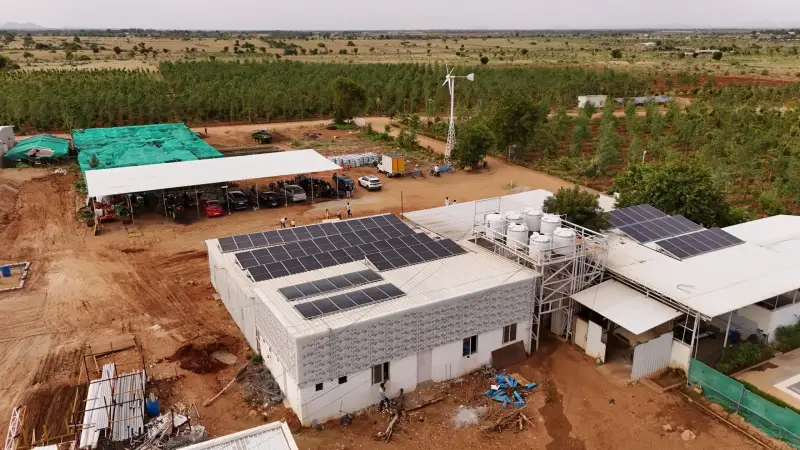
Ask how visits work and how much notice is needed. A company that shares the exact location and lets you walk your own plot has less to hide.
How often will you hear from the farm?
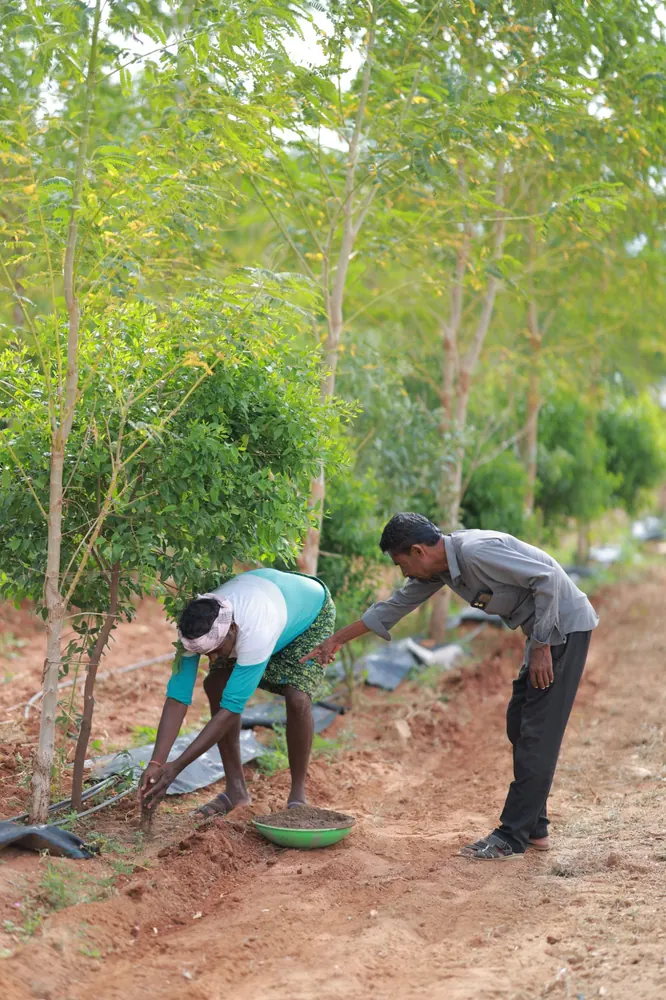
Ask to see a real update sent to an existing owner: photos, work done, water and crop status, and what comes next. How specific it is tells you a lot about how the farm is run.
A checklist for your site visit
Comparing companies? Tick off each one
0 / 8Done. Line up your notes for each company side by side before deciding.
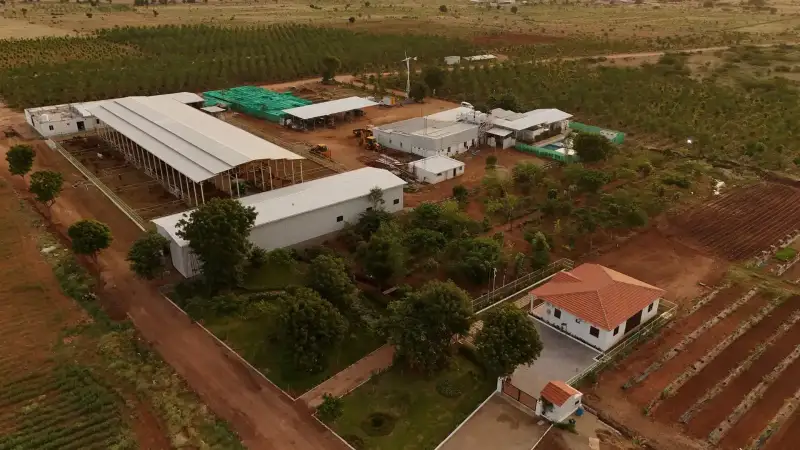
For reference, at GreenX, PomX and Timber the land is registered in the buyer's name at the Sub-Registrar Office, SmartAgro does not sell through power of attorney, sharing terms are written into each project's agreement, and owners can visit on request.
SmartAgro in numbers
SmartAgro’s published figures.
Common questions
What is the single most important thing to check?
Should I trust fixed or guaranteed returns?
Can I compare companies without visiting?
Was this guide useful?
Thank you. Tell us what to cover next on WhatsApp.Reading is one thing. Walking the farm is another.
Come for a site visit, stand on the plots and ask our team whatever is on your mind.